

How to Track Project Profitability at a Creative Agency
For a packaging-design project, project profitability tracking starts before the quote is sent. The useful first step is to make the proposed work and delivery inputs reviewable: the roles involved, estimated hours, specialist or production expenses, contingency, assumptions, and the price the team is considering.
TL;DR:
- Start with the brief signals that change a packaging quote: SKU or variant count, production-artwork work, proofing needs, review rounds, and client-provided material.
- Turn those signals into a work breakdown that names phases, tasks, roles, estimated hours, and delivery inputs the team can discuss together.
- Review specialist and production expenses, contingency, assumptions, and the proposed price before the commitment is made.
- Keep the conversation specific to this project rather than relying on a universal formula or benchmark.
- A draft project plan and quote gives the people pricing and delivering the work a shared starting point for review.
Table of Contents
- What Is Project Profitability Tracking?
- Core Metrics and Formulas for Measuring Project Profitability
- What Costs Should You Include in Project Profitability Analysis?
- How Do You Collect the Data Behind Project Profitability?
- What Should a Project Profitability Dashboard Show?
- Setting Up a Checkpoint Cadence That Catches Margin Slippage
- Implementing the System With an AI-Assisted Scoping and Pricing Workflow
- What Actually Determines Whether Profitability Tracking Sticks
- Put Profitability Data to Work From the First Estimate
- Primary Sources and Further Reading
- Sources
- FAQ
What Is Project Profitability Tracking?
For this article, project profitability tracking means preparing a creative quote with a clear view of the work it covers. Before a packaging team prices the project, it can turn the brief into a reviewable description of the delivery work: the packaging system, the variants to adapt, the production-artwork tasks, the proofing or specialist needs, the review rounds, and the material the client will provide.
That early review gives the people pricing and delivering the project one shared view of what belongs in the quote. It is a practical conversation about the proposed work and the inputs behind it, held while the team can still clarify the plan before making the commitment.
Core Metrics and Formulas for Measuring Project Profitability
Use this section as a practical pre-quote input review for the packaging project. Make each delivery input visible enough for the team to discuss before pricing.
| Review item | What the packaging team should name before pricing |
|---|---|
| Proposed work | The packaging system, SKU or variant count, production-artwork work, and the agreed review path. |
| Roles and estimated hours | The people needed for strategy, design, adaptation, artwork, proofing, or specialist support, with a considered estimate for each part of the work. |
| Direct delivery expenses | Specialist, production, proofing, or other project-specific expenses the quote needs to address. |
| Contingency | A clearly named reserve for the uncertainty the team has chosen to discuss. |
| Assumptions and proposed price | What the client supplies, what the team is assuming, and the price the team is reviewing before it is sent. |
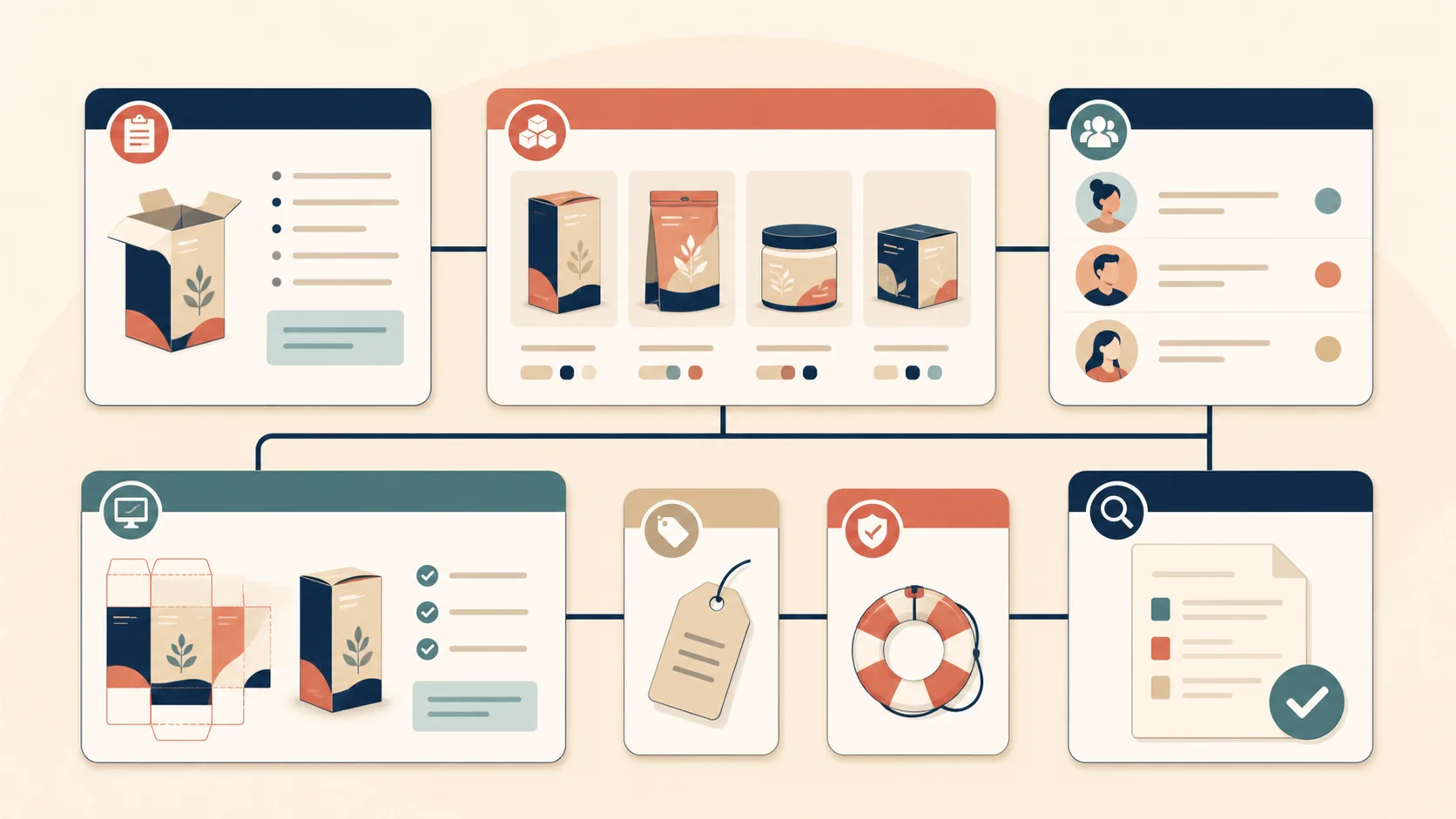
A small set of existing artwork adaptations and a multi-variant launch can call for different work breakdowns. Writing the inputs down gives the team something concrete to test against the brief before it decides what to quote.
What Costs Should You Include in Project Profitability Analysis?
For the packaging example, start with delivery inputs the team can point to. A design lead may need time for the system; a production designer may need time for adaptations; a proofing step may require specialist attention; and a supplier or production requirement may create a direct expense. The project may also need a contingency and a written assumption about what arrives from the client.
Keep those items beside the work breakdown while the quote is being reviewed. A vague line such as "production support" is difficult to price thoughtfully. A named task, role, estimated-hour discussion, and direct expense or assumption gives the team a clearer basis for the proposed price.
Pro Tip: Ask the person closest to production artwork to read the work breakdown before the quote goes out. They can often spot an unspoken variant, proofing, or handoff requirement while it is still easy to clarify.
How Do You Collect the Data Behind Project Profitability?
Collect the inputs from the brief and from the people who will deliver the work. A packaging brief often carries useful signals in plain language: how many SKUs or variants exist, whether dielines are ready, who supplies copy, whether production artwork is included, how many review rounds are expected, and where specialist input may be needed.
- Clarify the brief signals. Mark the details that affect the proposed work, including client-provided material and the approval route.
- Check the work breakdown. Translate those details into phases and tasks that a packaging team can read and question.
- Name delivery inputs. Put roles, estimated hours, specialist or production expenses, contingency, and assumptions where the team can review them together.
- Review the quote before it is sent. Confirm that the price being considered reflects the work and inputs the team has discussed.
This sequence keeps the early conversation close to the request and gives the team a useful record of the assumptions it used when preparing the quote.
What Should a Project Profitability Dashboard Show?
At the pre-quote stage, a simple project overview should let the team see the brief signals, the work breakdown, the people and estimated hours attached to the work, the delivery expenses or specialist needs, the contingency, the assumptions, and the proposed price in one review.

For the packaging project, that overview can prompt a useful question at each stage: have we accounted for the SKU rollout, the production-artwork work, proofing or specialist support, and the client material we are assuming will arrive? The answer is a conversation about the quote before it goes to the client.
Setting Up a Checkpoint Cadence That Catches Margin Slippage
A project plan should make price and scope implications discussable before the quote is sent. PMI's guidance on profitability planning is useful broad support for treating planning decisions and commercial decisions as part of the same conversation.
For a packaging team, the sequence can stay compact:
- Read the brief for the delivery details that need a decision.
- Review the work breakdown with the people who will price and deliver it.
- Make roles, estimated hours, specialist or production expenses, contingency, and assumptions visible.
- Review the proposed quote before it is sent to the client.
Pro Tip: Keep the review tied to the real project request. A short, specific conversation about variants, proofing, and assumptions is more useful than a generic checklist.
Implementing the System With an AI-Assisted Scoping and Pricing Workflow
Roadbase begins with the real request: Paste the brief or attach a PDF. Roadbase turns that input into a draft project plan and quote to review.
That draft gives the packaging team a starting point for the same pre-quote conversation in this article. Review it with the people pricing and delivering the work, then adjust the project plan and quote so the proposed work, roles, estimated hours, delivery expenses, contingency, and assumptions are clear to the team.
What Actually Determines Whether Profitability Tracking Sticks
The practice sticks when the review has a real project to examine and the right people are present. A packaging team can start from the client's brief, ask what changes the work, and make the delivery inputs visible before the price is committed.
It also helps to keep the language concrete. "Four variants with production artwork and two review rounds" gives a team something to discuss. "Packaging support" leaves too much open. The more clearly the work is described, the easier it is for the team to review its assumptions together.
- Nicolas Robertson
Put Profitability Data to Work From the First Estimate
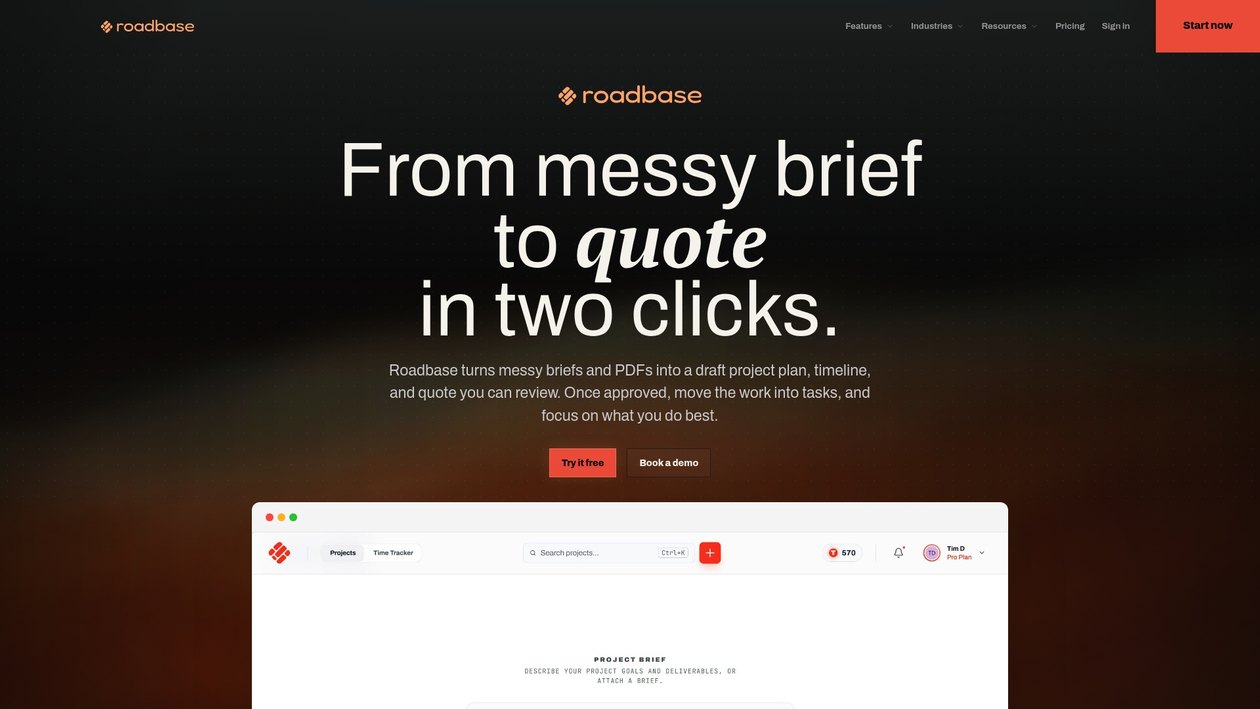
If you have a real brief or PDF and want to turn it into a reviewable project plan and quote, paste it into Roadbase. It will give you a draft to review with the people pricing and delivering the work.
For teams with a software-consulting brief, the Roadbase page for software consultants is a companion page for that project context. Creative teams can also explore the freelancer and agency estimating tools for the same early quote-review job.
Primary Sources and Further Reading
- Project profitability guide and project metrics companion reading are retained as neutral companion reading on the topic.
- A second project profitability guide and a second project metrics companion are retained for readers who want additional background.
- Project profitability and margins companion reading and a margin overview companion are retained as neutral further reading.
- Product feedback on time-tracking platforms is retained as a neutral review companion.
- Project profitability plan (PMI) supports the broad planning discussion above.
Sources
- 5 Project Profitability Metrics: Formulas, Benchmarks, and What to Do With the Data
- Project Profitability: How to Measure ROI and Margins
- Project Profitability Metrics That Stop Margin From Being a Guess | CentSight
FAQ
What should a pre-quote project-cost review include?
the proposed work, roles, estimated hours, direct delivery expenses, contingency, assumptions, and the price the team is reviewing.
Why start this review before sending the quote?
it gives the people pricing and delivering the project one shared view of the work before the commitment is made.
How can a packaging project make its inputs clearer?
identify the SKU/variant count, production-artwork work, proofing or specialist needs, review rounds, and client-provided material before estimating.
What should a project plan make easy to discuss?
phases, tasks, roles, estimated hours, assumptions, and the items that could change the quote.
How can Roadbase help at this stage?
paste the brief or attach a PDF, then use the resulting draft project plan and quote as a shared starting point for review.
Recommended
- Client Profitability Review for Creative Freelancers
- Risk-Based Pricing for Creative Project Quotes
- Roadbase vs Scoro: which is better for creative quotes, budgets, and project follow-through? • Roadbase Blog
- When Value-Based Pricing Fits a Creative Project Quote
- Social media management pricing and scope